Inge Dick- Polaroids & Black and White
Inge Dick
Polaroids & Black and White
Eröffnung:
16.9.2025, 19:00 Uhr
Eröffnungsrede: Lisa Ortner-Kreil, Kunsthistorikerin und
Literaturwissenschaftlerin
17.09. – 31.10.2025
Artisttalk
Sonntag, 5. Oktober 2025, 16:00 Uhr
Inge Dick und Thomas Seelig,
Leiter der Fotografischen Sammlung, Museum Folkwang Essen
Expert:innentalk
Mittwoch, 22. Oktober 2025, 19:00 Uhr
Magic Light – Die Faszination der Schwarzweiß – und Polaroidfotografie
Mit:
Dieter Bogner, Kunsthistoriker und Kunstsammler
Felix Hoffmann, Künstlerischer Leiter FOTO ARSENAL Wien &
Direktor FOTO WIEN
Lisa Ortner-Kreil, Kunsthistorikerin und Literaturwissenschaftlerin
Tom Wallmann, Direktor der Polaroid Foundation
Moderation: Silvie Aigner, Chefredakteurin des PARNASS
Kunstmagazin
Inge Dick (born in 1941 in Vienna, living since 1984 in Innerschwand am Mondsee) is an Austrian painter and photographer whose central artistic concern is the visual manifestation of light. As part of FOTO WIEN, Galerie Sturm & Schober is honoring the artist with an exhibition showcasing her early black-and-white photographs as well as her Polaroid photography.
The word “photography” originates from ancient Greek, combining phōs (light) and graphê (writing, drawing). In this literal sense—as “light drawings”—Inge Dick’s quiet, analytical, and consistently serial-processual works can be aptly described.
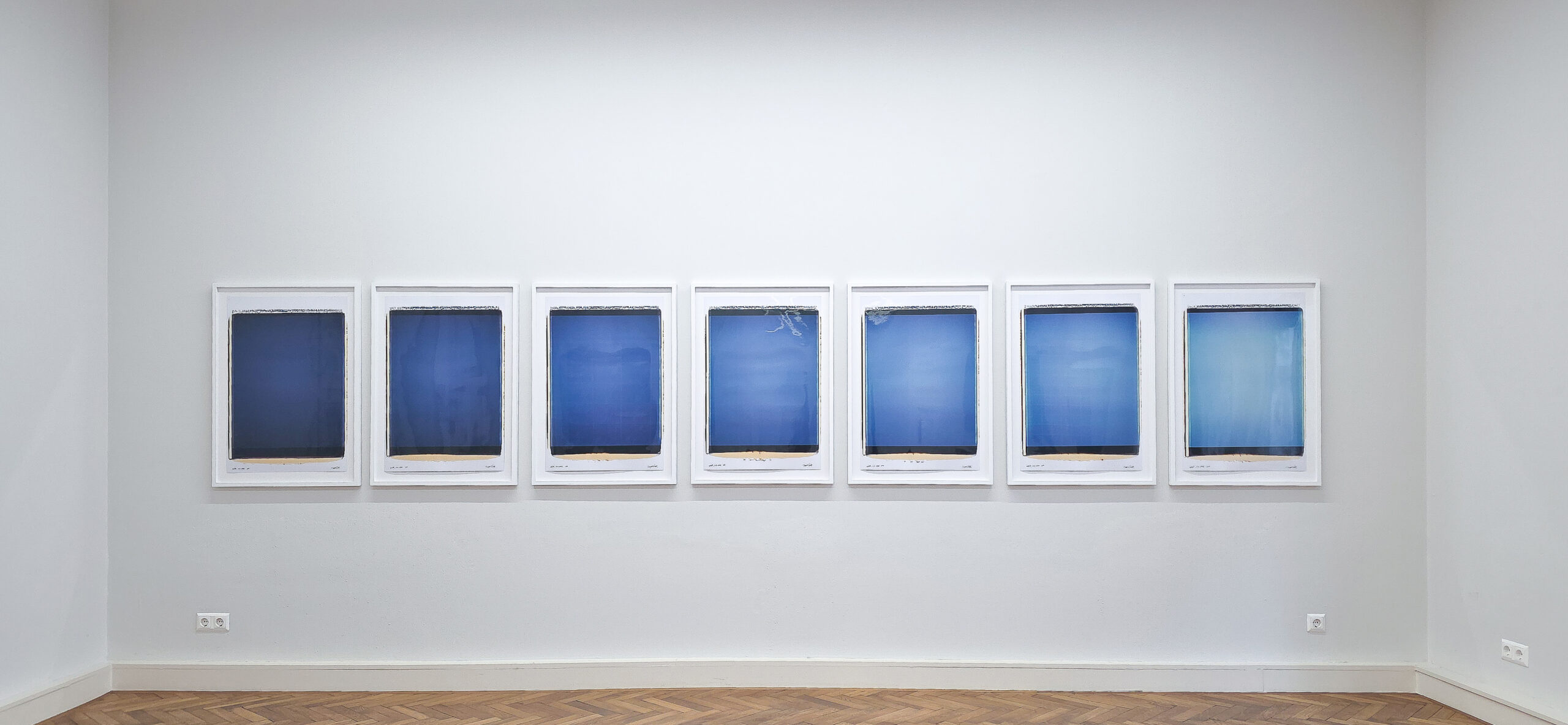
The light that strikes a surface captured by Inge Dick’s camera renders it in constantly shifting hues. Her desire to make this ongoing transformation and the flow of time perceptible led the artist from working with a small-format camera (used from 1982), to medium format (from 1990), and ultimately to her large-format Polaroids. In 1999, she traveled to Boston to work with a large-format camera—of which only two exist worldwide—creating Polaroids of extraordinary size and mesmerizing quality.
Inge Dick’s Polaroids are both a highly conceptual long-term project and a monochromatic, sensually rich visualization of something ephemeral: light, in all its pure, unseen facets.
– Lisa Ortner-Kreil
As part of this year’s FOTO WIEN, Galerie Sturm & Schober is presenting an exhibition of photographic works by Inge Dick. The show is remarkable in two respects: it includes works that date back as far as forty years, and it features both black-and-white photographs and Polaroids that still appear strikingly contemporary and fresh today.
Inge Dick (*1941 in Vienna) is one of the most important Austrian artists of her generation – even if she had to wait a long time for the recognition she deserves. At the latest since her participation in the significant exhibition Shape of Light: 100 Years of Photography and Abstract Art at Tate Modern in London (2018), Inge Dick’s work has also gained international acclaim. In 2021, at the age of 80, she was awarded the Austrian Art Prize for Artistic Photography. That same year, a widely acclaimed monographic exhibition honored her work in both Austria and Germany.
What distinguishes Inge Dick and her artistic work is her genuine and consistent engagement with the theme of light. After an intensive exploration of painting under this premise, she discovered photography for herself in the late 1970s. This transition—or new beginning—from painting to photography is as remarkable as it is logical. After all, the question of how light materializes is inherent to photography itself (literally translated as “light drawing”). From then on, she began creating individual photographic works and series that capture how light “draws itself” in and before the camera—concrete, highly reduced, and intensely focused, yet ultimately extending far beyond the merely visible.
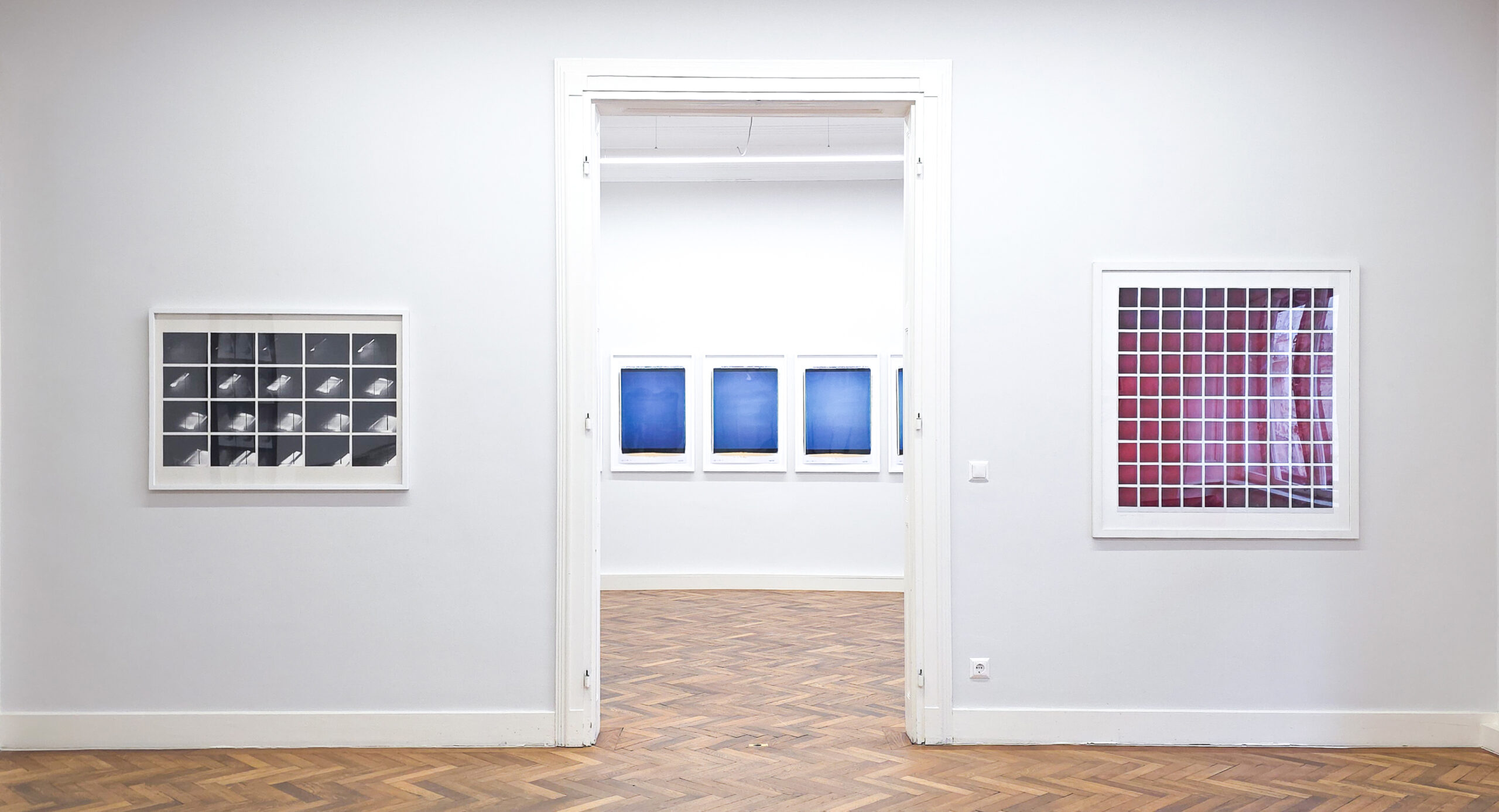
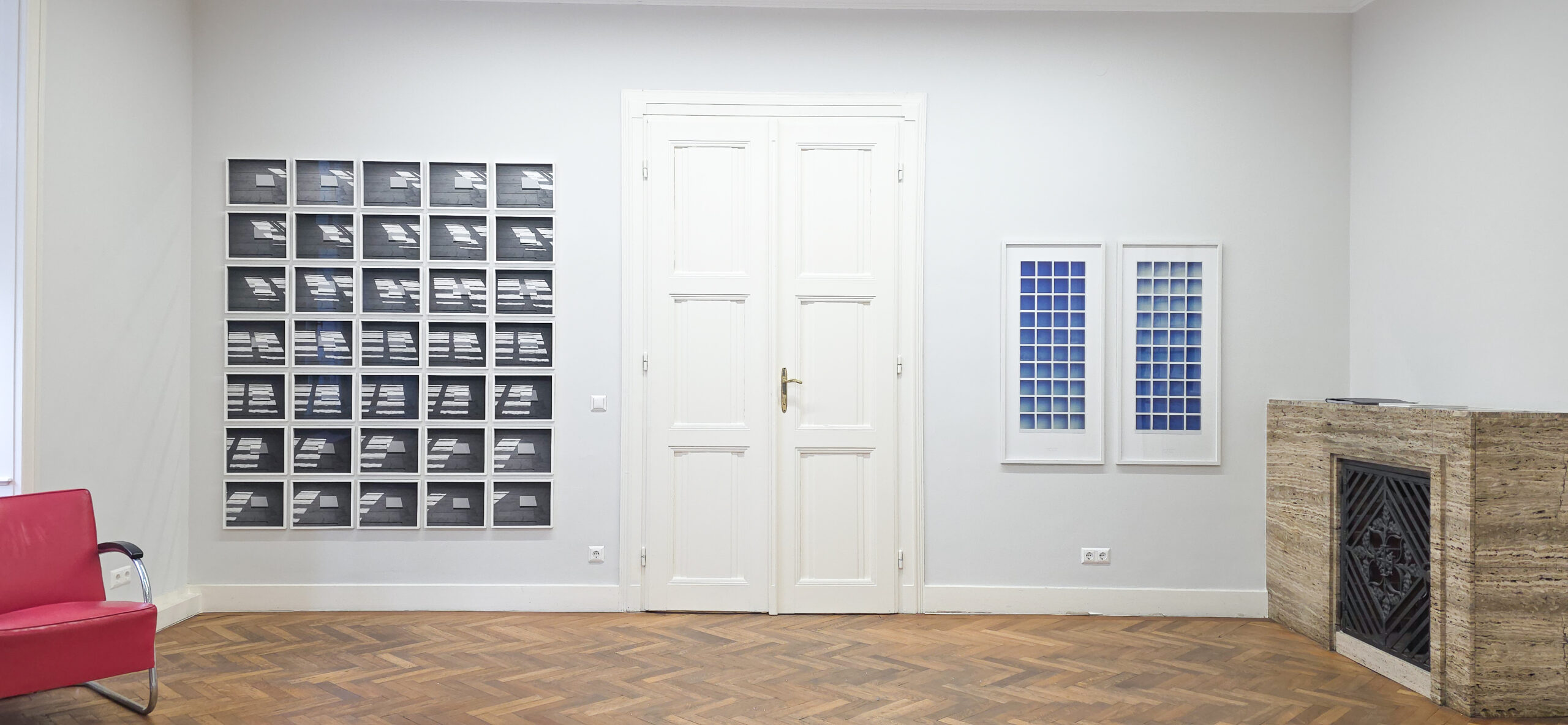
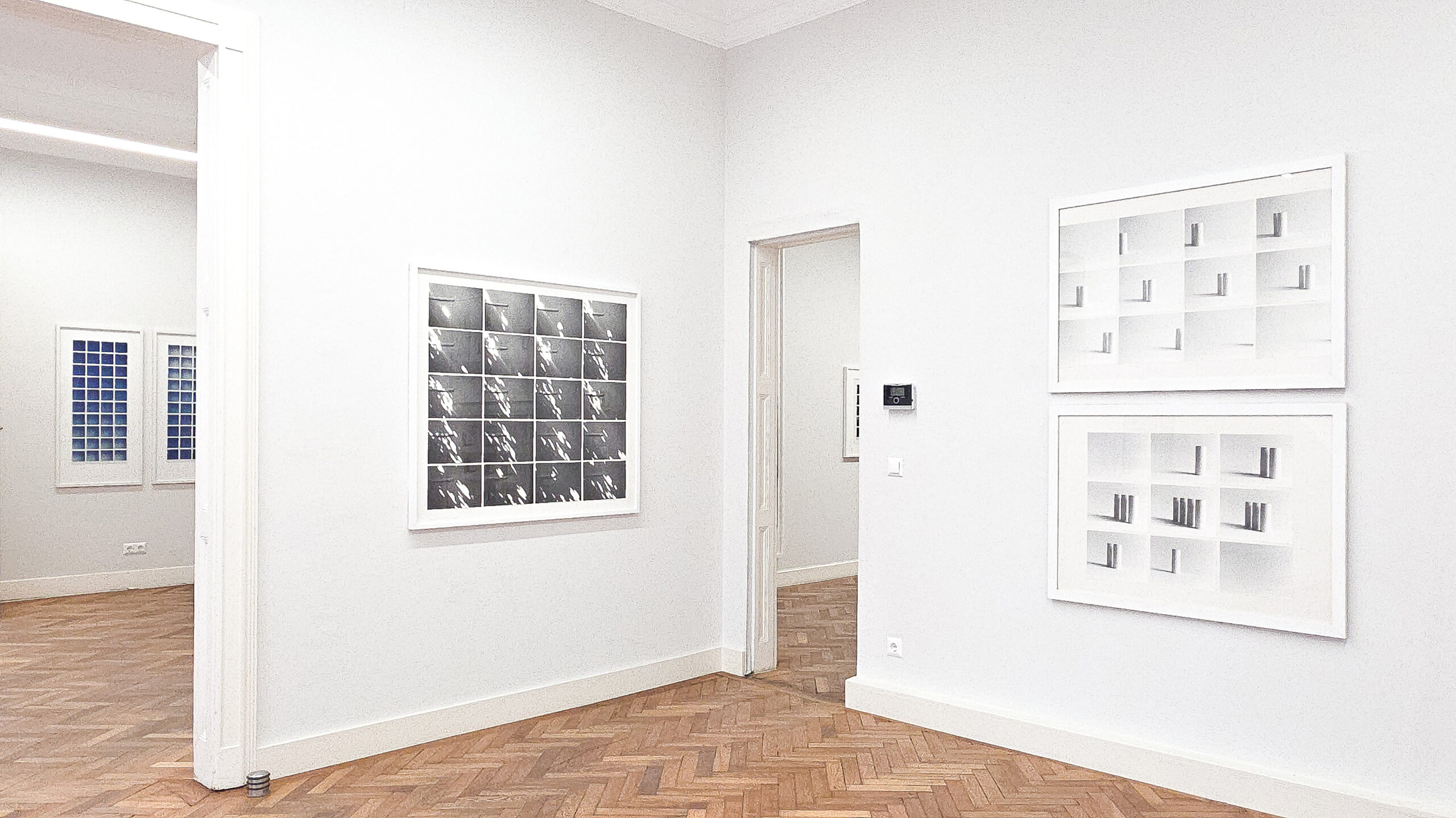
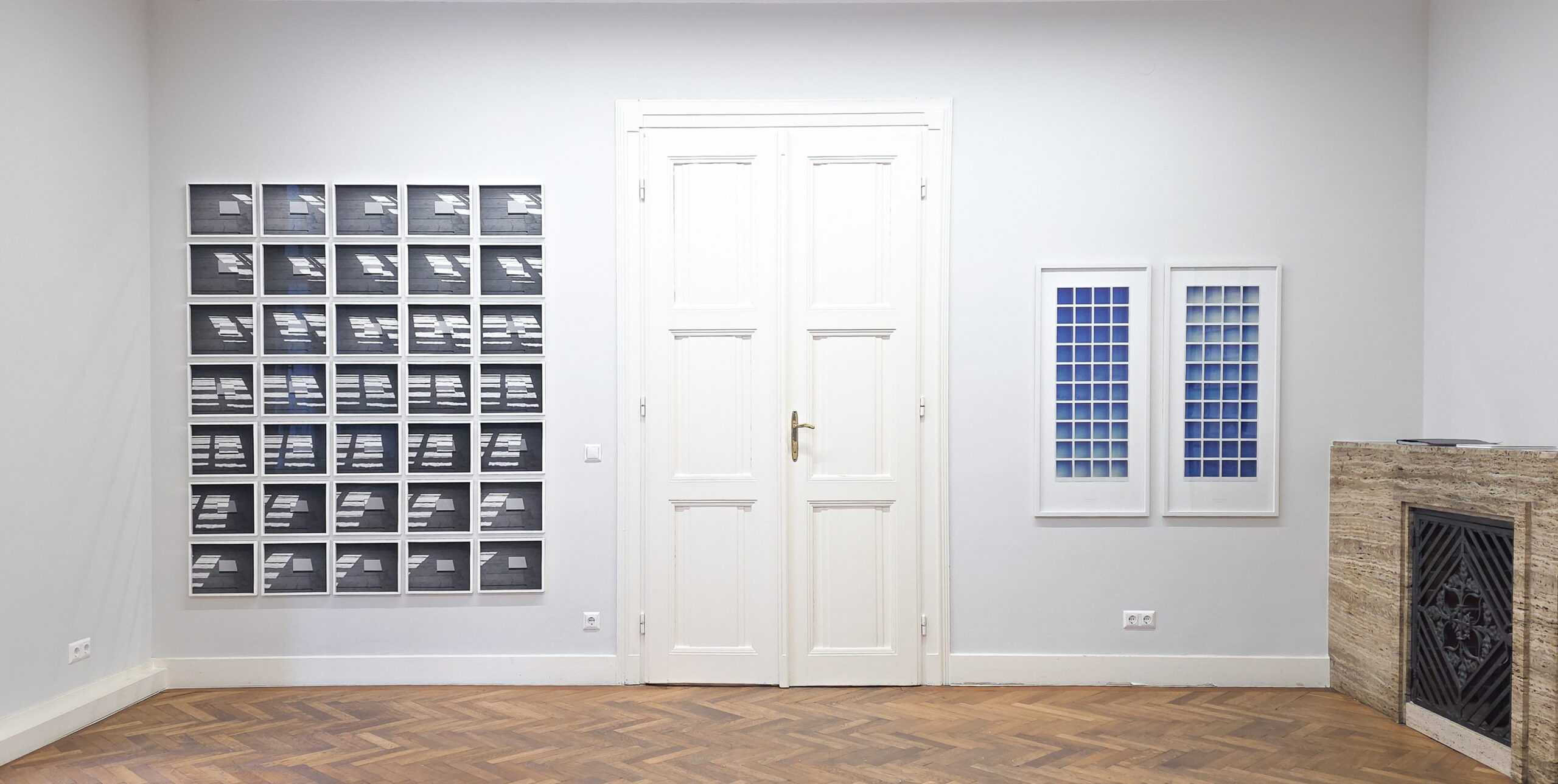
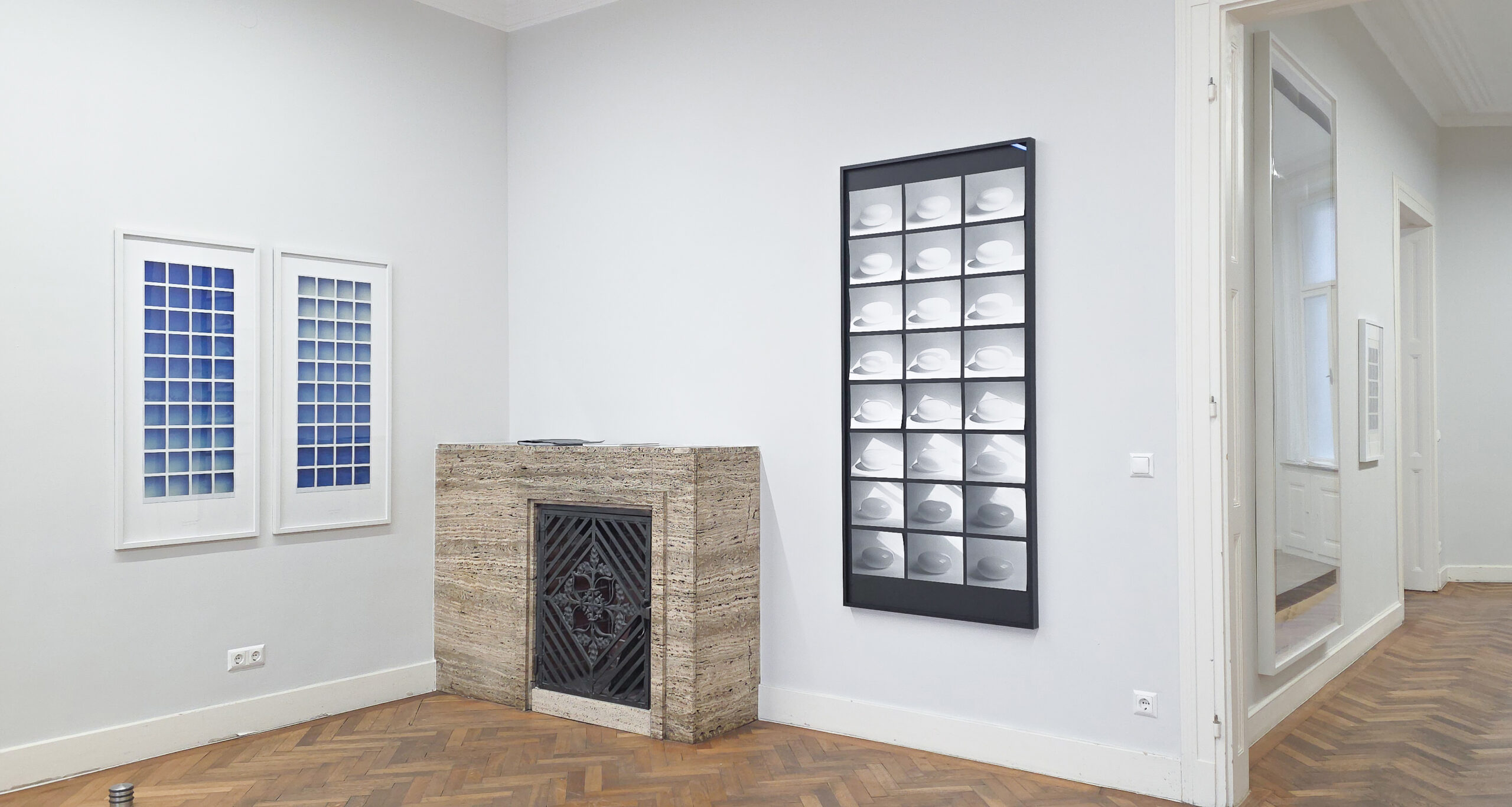
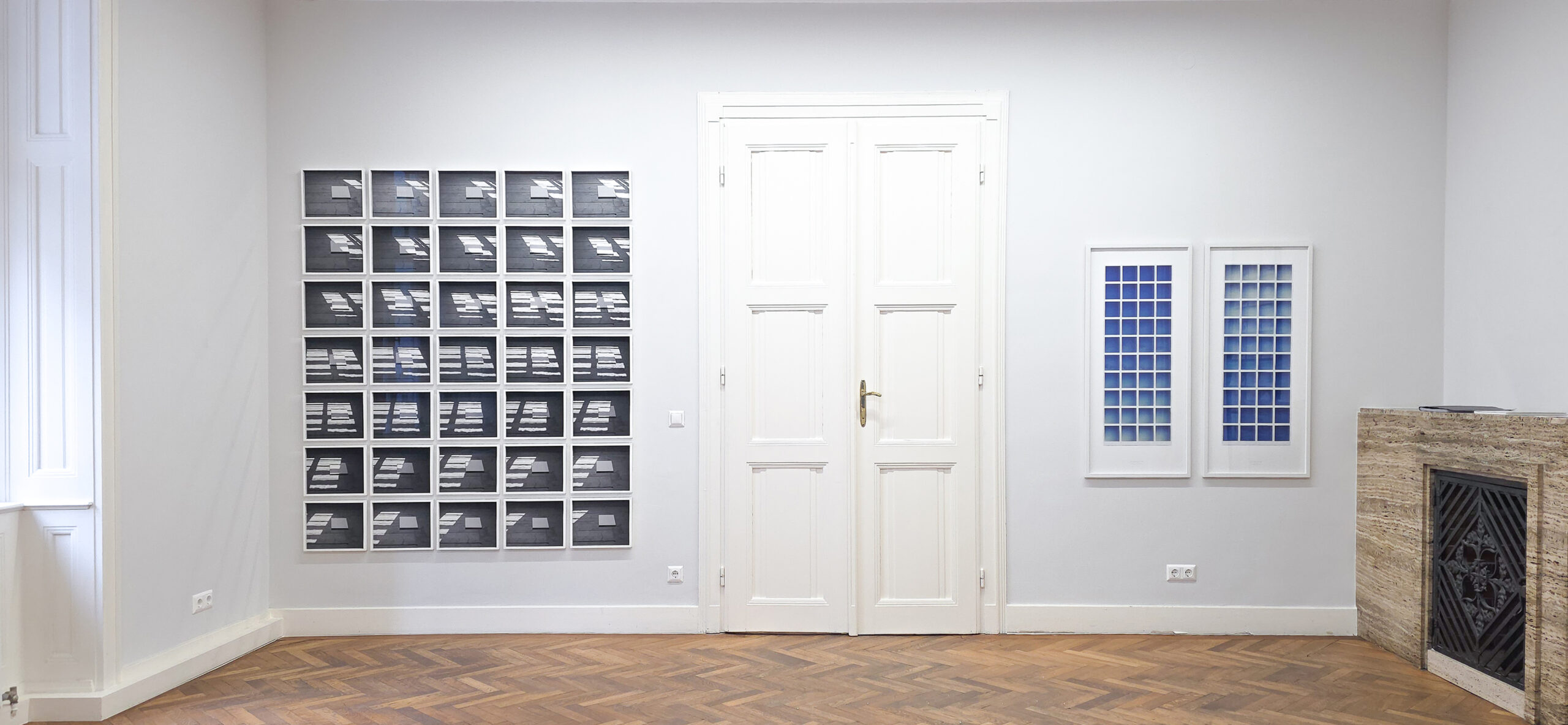
The exhibition at Galerie Sturm & Schober brings together these unique photographic works from various creative phases. In the work 12 Stunden Tagwand (“12 Hours Wall of Day”), for example, Inge Dick photographs the changing daylight on a square section of a wall at hourly intervals. The tableau Licht – Fenster – Quadrat (“Light – Window – Square”), also rendered in black and white, consists of 35 individual shots capturing the shifting shadow of a window cross as it moves across a canvas lying on the studio floor.
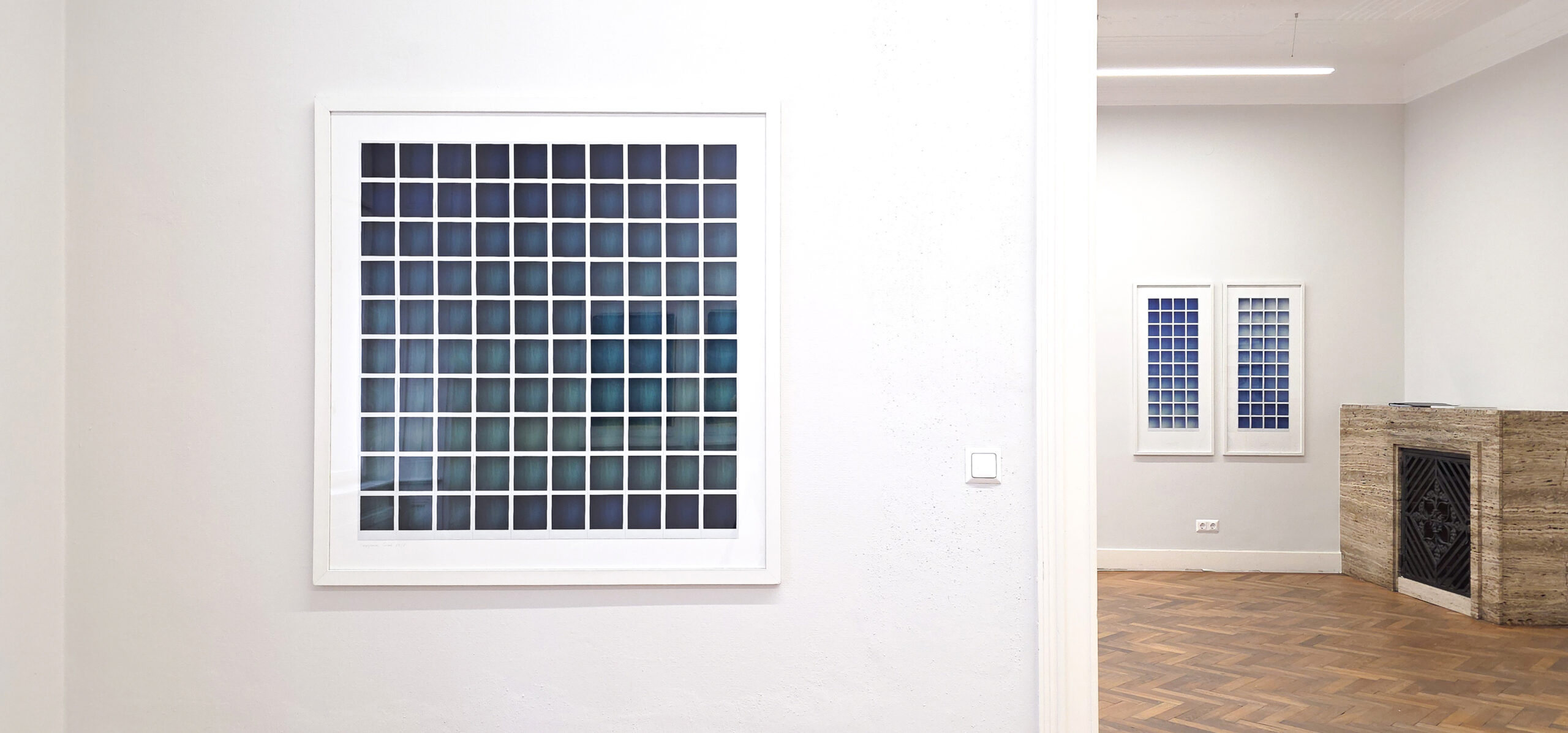
While in these works light moves and changes sequentially, her large-format Polaroids convey the aura of a singular moment. Here, the act of “light imaging” occurs both in front of and within the camera – specifically through the photochemical process of the Polaroid technique. Whether white or blue, black or red – these monochrome Polaroids are never simply white or blue, black or red. They captivate with a painterly intensity one would not typically expect from photography. In the tableau Tagrot (“Day Red”), consisting of 100 SX-70 Polaroids, Inge Dick combines the processual sequencing found in her black-and-white works with the intrinsic dynamic of the Polaroid’s photochemical process.
– Dr. Ralf Christofori