

Mona Radziabari
*1983 in Tehran, Iran
Lives and works in Vienna



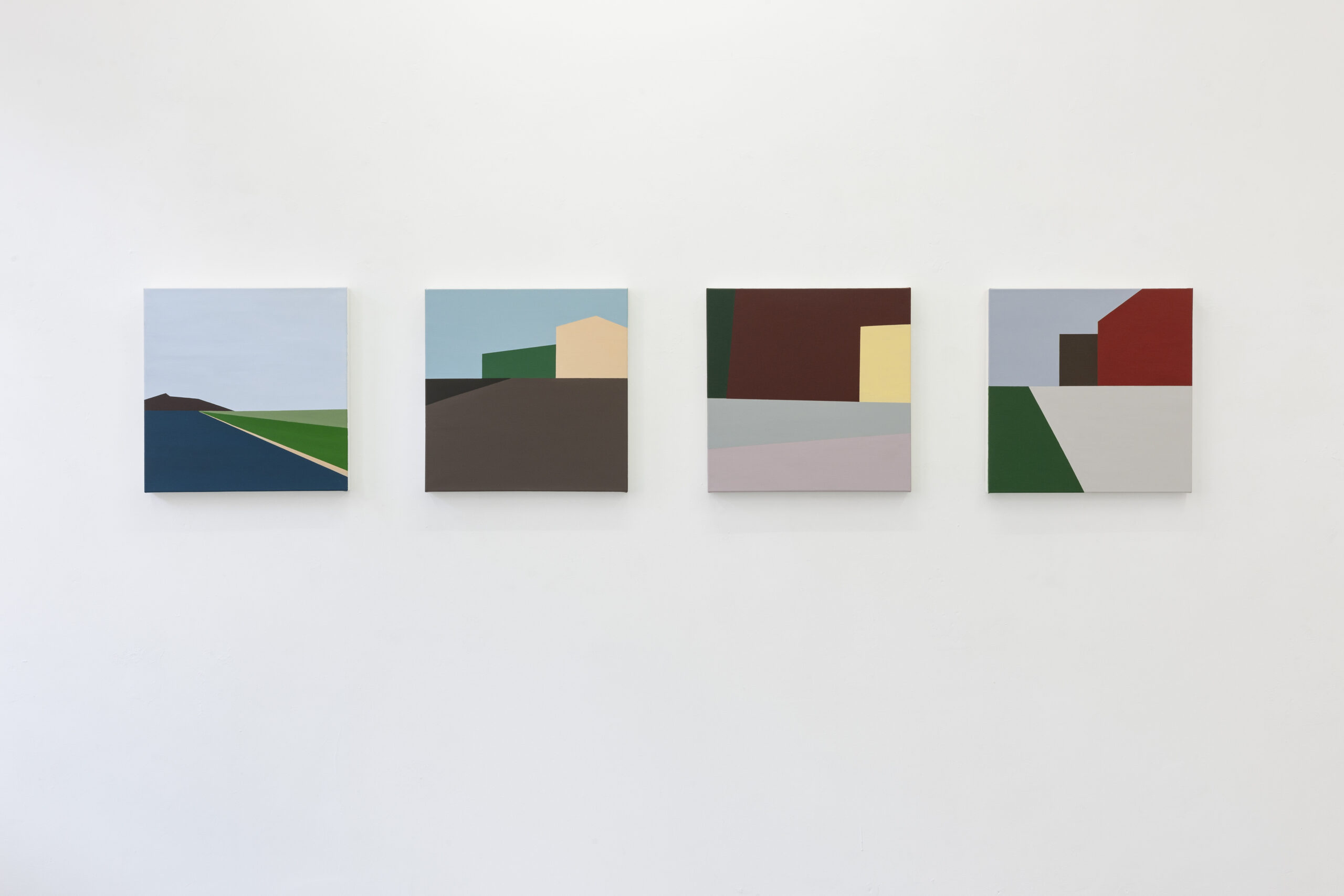
Mona Radziabari was born in Tehran in 1983. Today she lives and works in Vienna. In 2005 she
graduated with a Bachelor’s degree from the Handicrafts Department at Tehran University of Art. In
2014 she came to Europe and completed her Master’s degree in Trans Arts – Transdisciplinary Art at
the University of Applied Arts Vienna in 2018. Mona Radziabari has experienced the repressions of the
Iranian regime since her early childhood – as a person, as a woman, and later also as an artist. There is
much in her work that unmistakably indicates that the influence of the political is as indispensable to
her art as it is to her life.
In 2012, when Mona Radziabari was still living in Iran, she realized a photo project that should not
have come about as such. After the suppression of the Green Revolution in 2009, Iran had changed;
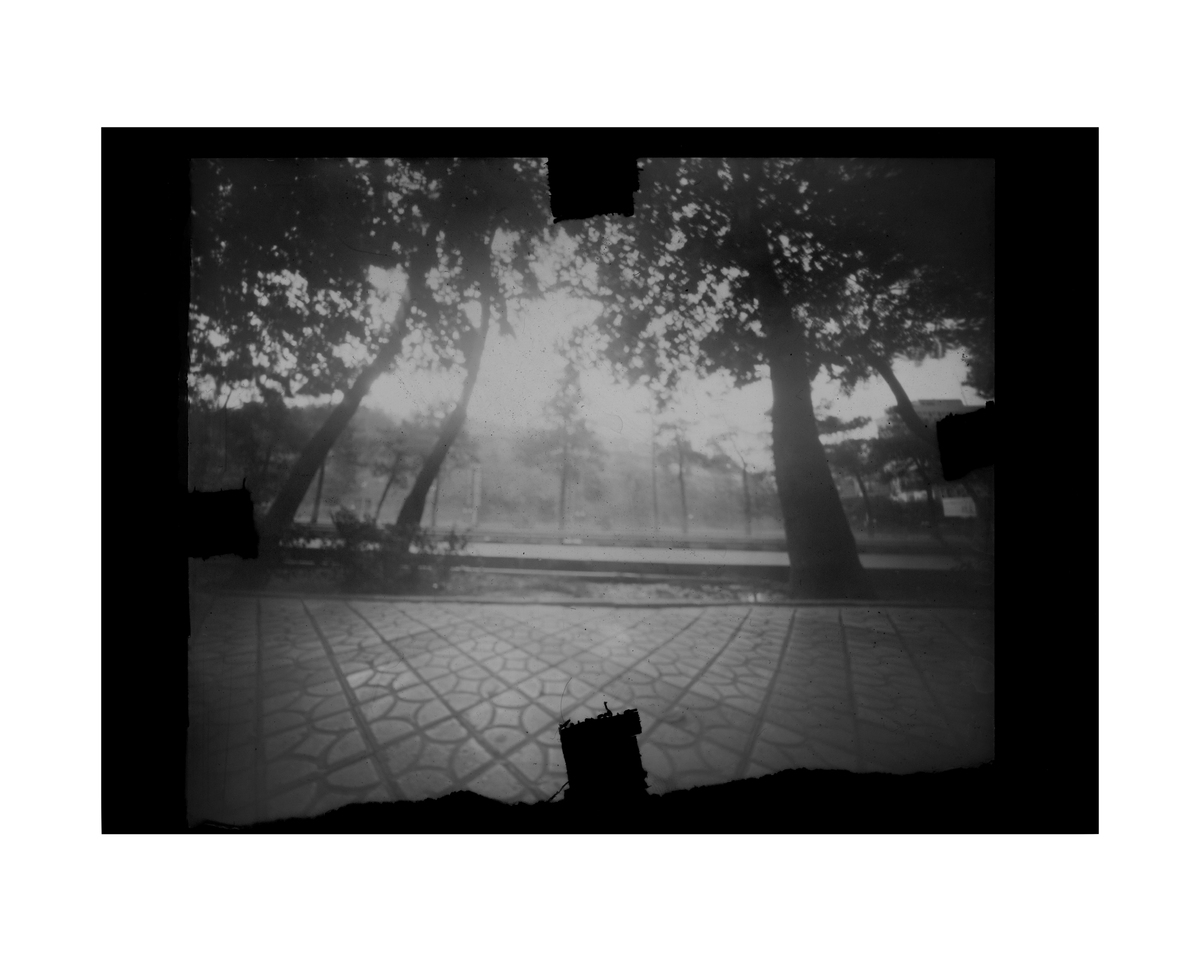
those in power tried to control life through strict restrictions. Photography is forbidden by the police
in Tehran at this time. The artist does it anyway -–with an old cardboard box, which she converts into
a pinhole camera. The results of the Pointless hole series are surreal photographs that give an
impression of how Mona Radziabari experiences her hometown under the aegis of those in power: as
“a foreign place,” indeed “another planet.”
When Mona Radziabari left her home country in 2014 to study in Vienna, another experience came
along that left its mark on her life and artistic work: the experience of a migrant. Confronted with
completely new realities of life, she can only follow the political events in her home country from a
distance. It is under this impression that the work In the memory of lost dreams (2016) was created in
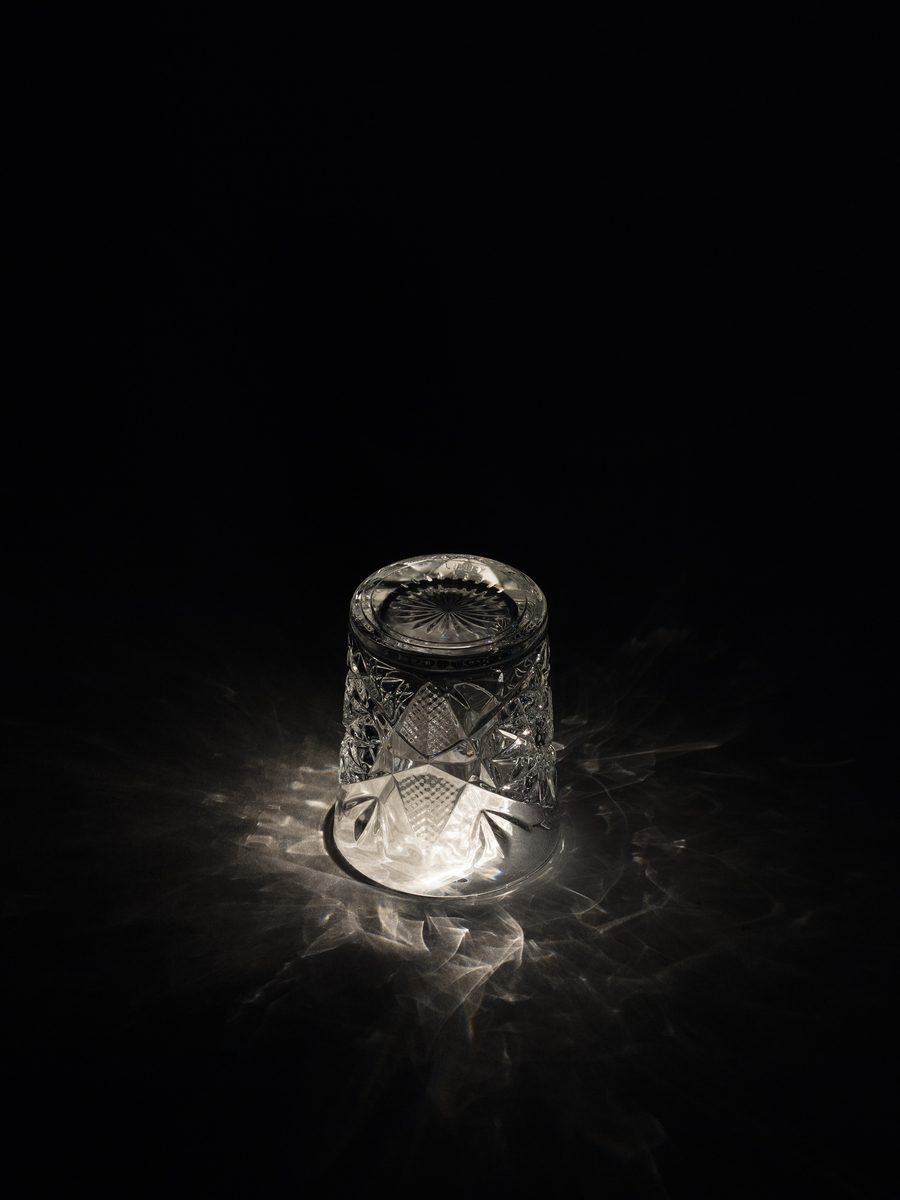
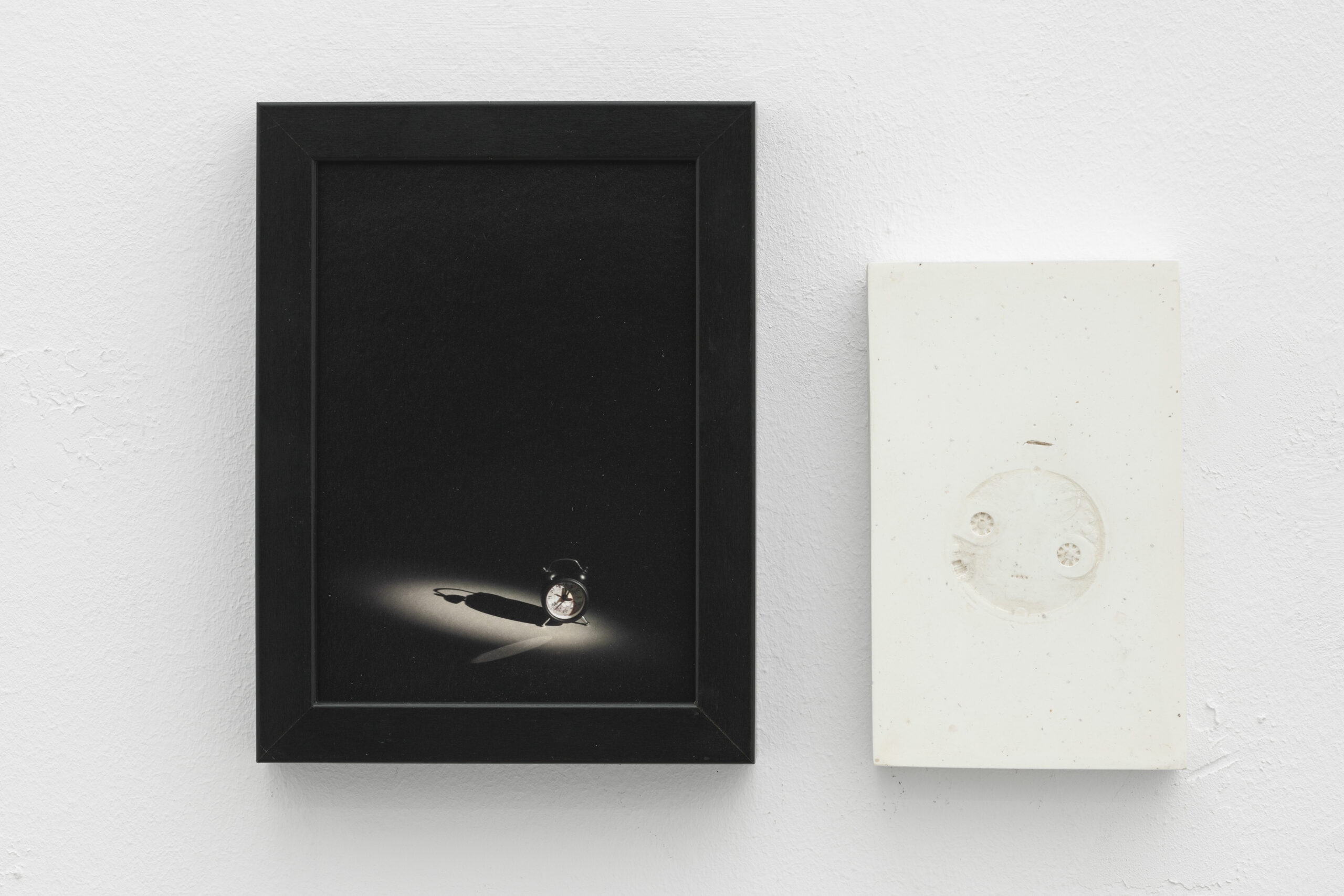
2016. It is an assemblage of whitewashed objects and artifacts. The objects may evoke “lost dreams,”
but in fact they embody those symptomatic “defense mechanisms (German: Abwehrmechanismen)
brought into play by the unconscious mind to manipulate, deny, or distort reality in order to defend
against feelings of anxiety and unacceptable impulses to maintain one’s self-schema,” as the artist
explains.
The perception and manipulation of such realities is also the subject of the group of works Who cares.
In it, Mona Radziabari uses Iranian daily newspapers published between 2011 and 2015 as “image
carriers”. Painting over the photos on the respective pages, she fundamentally questions the evidence
of reporting, which is usually attested to by press or reportage photos. In their place, the artist places
solipsistic miniatures that convey lost dreams and longings rather than referring to any kind of reality
with news value.
During the first COVID-19 lockdown in the spring of 2020, she creates a series of paintings whose title
indicates how long it would take to walk from Vienna to Tehran: 33 days and 13 hours. At a time when
room to move is reduced to the minimum and her homeland is inaccessible, Mona Radziabari clicks
through city maps of Tehran via Google Maps. She captures digital map views and paints them on
canvas – just as if she, as an exile, wanted to bridge the geographical distance one by one.
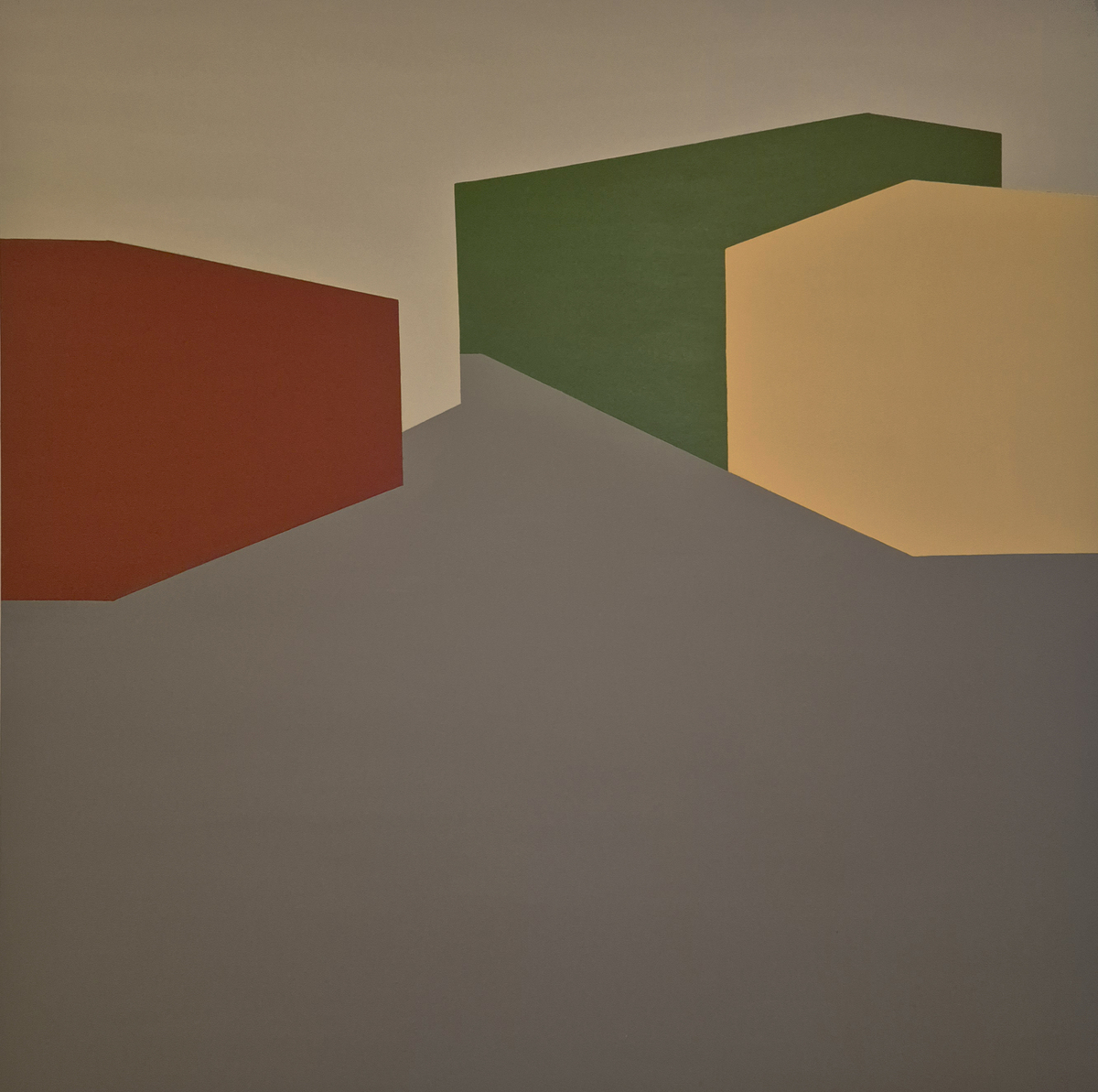
Compared to the map views, the paintings from the Less is enough series are even more abstract. But
the impetus for the paintings is concrete, real, stark in an almost unbearable way. Given the
circulating images of the bloody suppression of recent protests in her home country, these almost
meditatively contemplative color field paintings seem like a self-prescribed withdrawal. Or as Mona
Radziabari describes it, “Feeling the weight of immense suffering specially on my eyes, I decided to
direct my gaze toward empty spaces to find peace.”